morehantomer@gmail.com
Knee pain is one of the most common health problems affecting people of all ages. It can occur due to injuries, aging, arthritis, muscle weakness, or excessive physical activity. Many individuals struggle with knee pain that affects their ability to walk, climb stairs, or perform daily activities comfortably. In such situations, knee pain physiotherapy plays a crucial role in reducing pain, improving joint movement, and restoring overall knee function.
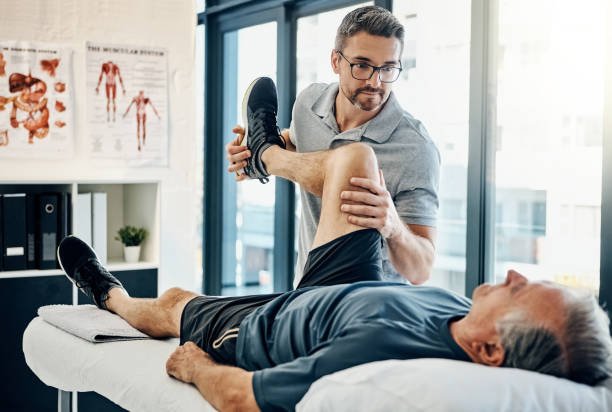
Knee pain physiotherapy focuses on identifying the root cause of the pain and treating it through specialized exercises, manual therapy, and rehabilitation techniques. Physiotherapists carefully assess the patient’s condition, including joint mobility, muscle strength, and posture. Based on this assessment, they design a personalized treatment plan that targets the specific problem affecting the knee joint.
One of the main advantages of knee pain physiotherapy is that it provides a non-surgical and drug-free approach to treatment. Instead of relying solely on medications for temporary relief, physiotherapy focuses on strengthening the muscles around the knee, improving flexibility, and correcting movement patterns. This approach helps address the underlying issue and prevents the pain from returning in the future.
Many people experience knee pain due to poor posture, prolonged sitting, lack of exercise, or excessive strain during sports activities. Physiotherapy helps correct these issues by improving muscle balance and joint stability. With the help of guided exercises and professional supervision, patients can gradually regain strength and mobility in their knees.
Another important aspect of knee pain physiotherapy is rehabilitation after injury or surgery. Individuals who have undergone knee surgeries such as ligament repair or knee replacement require proper rehabilitation to regain full movement. Physiotherapists guide patients through a structured recovery program that helps them regain confidence in their movements while preventing further damage.
Common Causes of Knee Pain
Understanding the causes of knee pain is essential for effective treatment. Several factors can contribute to knee pain, including injuries, medical conditions, and lifestyle habits.
Arthritis
Arthritis is one of the leading causes of knee pain, especially among older adults. It causes inflammation and stiffness in the knee joint.
Ligament Injuries
Ligament injuries often occur during sports activities or sudden movements. These injuries can cause severe pain and instability in the knee.
Muscle Weakness
Weak muscles around the knee joint can lead to improper support, which increases stress on the joint.
Overuse Injuries
Repetitive activities such as running, jumping, or climbing stairs can lead to knee pain due to overuse of the joint.
Poor Posture
Improper walking posture or incorrect exercise techniques can also contribute to knee pain over time.
Benefits of Knee Pain Physiotherapy
There are several advantages of choosing knee pain physiotherapy for treatment and recovery.
Pain Reduction
Physiotherapy techniques help reduce pain and inflammation in the knee joint.
Improved Mobility
Regular therapy sessions help restore the natural movement of the knee joint.
Strengthening of Muscles
Special exercises strengthen the muscles surrounding the knee, providing better support to the joint.
Faster Recovery
Physiotherapy promotes blood circulation and tissue healing, helping patients recover more quickly.
Prevention of Future Injuries
Physiotherapists teach proper movement techniques that reduce the risk of recurring knee problems.
Techniques Used in Knee Pain Physiotherapy
Modern physiotherapy clinics use different treatment techniques to manage knee pain effectively.
Therapeutic Exercises
These exercises focus on strengthening the muscles around the knee and improving flexibility.
Manual Therapy
Manual therapy involves hands-on techniques used by physiotherapists to improve joint movement and reduce stiffness.
Stretching Exercises
Stretching helps relieve muscle tightness and improves range of motion in the knee.
Electrotherapy
Electrotherapy uses electrical stimulation to reduce pain and support muscle function.
Heat and Cold Therapy
These therapies help reduce inflammation and provide relief from pain.
Role of Exercise in Knee Pain Physiotherapy
Exercise is a key component of knee pain physiotherapy. Physiotherapists recommend specific exercises that target the muscles supporting the knee joint.
These exercises help strengthen the quadriceps, hamstrings, and calf muscles, which play a crucial role in maintaining knee stability. Strengthening these muscles reduces pressure on the knee joint and improves overall movement.
Regular exercise also improves flexibility and balance, which are essential for preventing future injuries. Physiotherapists ensure that patients perform these exercises correctly to avoid unnecessary strain on the knee.
Importance of Early Physiotherapy Treatment
Many people ignore knee pain until it becomes severe. However, early treatment through knee pain physiotherapy can prevent the condition from worsening.
When physiotherapy begins at an early stage, it helps reduce inflammation, improve joint function, and prevent long-term complications. Early treatment also reduces the chances of requiring surgery.
Physiotherapists can identify small problems in movement patterns or muscle strength that may lead to knee pain in the future. By correcting these issues early, patients can maintain better joint health and avoid chronic pain.
Tips to Prevent Knee Pain
Preventing knee pain is just as important as treating it. Some simple lifestyle changes can help protect the knee joints and maintain long-term mobility.
- Maintain a healthy body weight
- Perform regular strengthening exercises
- Stretch muscles before physical activity
- Use proper posture while walking or exercising
- Avoid excessive strain on the knees
Following these preventive measures can significantly reduce the risk of developing knee problems.
Choosing the Right Knee Pain Physiotherapy Clinic
Selecting the right physiotherapy clinic is essential for effective treatment and recovery.
Qualified Physiotherapists
Always choose clinics with certified and experienced physiotherapists.
Modern Equipment
Advanced physiotherapy equipment improves the quality of treatment.
Personalized Treatment Plans
Every patient’s condition is different, so treatment should be customized.
Positive Patient Reviews
Reviews and testimonials help determine the clinic’s reputation.
Conclusion
Knee pain physiotherapy is an effective and non-invasive treatment method that helps individuals manage knee pain, improve mobility, and regain strength. Through specialized exercises, manual therapy, and rehabilitation programs, physiotherapists address the root cause of knee pain and support long-term recovery.
Whether the pain is caused by injury, arthritis, muscle weakness, or overuse, physiotherapy provides a safe and reliable solution. With early treatment, proper guidance, and consistent exercises, patients can experience significant improvement in their knee health and overall quality of life.
Choosing professional knee pain physiotherapy ensures that patients receive expert care, personalized treatment plans, and the support needed to return to their daily activities without pain.
you can also visit my instagram account